










Aint Bad Magazine - FROM HERE ON
Introduction by
The Editors
Essay by
Frank J. Young
Randall Edwards
Richard Barnes
Lisa Jaye Young
Interviews
Joe Rudko
Mark Dorf
Details
9.75″x12.5″, 276 pages,
Perfect Bound
Edition Size 1500
In this issue, the idea of the Archive, and all that it implies for photography as a medium, has influenced us to look back and reflect on the artists whose work we have featured both in print and on the web. We have built this issue featuring the work of 180 artists who share the common trait of being members of the Aint-Bad community. These photographs and texts are bound together to create an archival overview of recent photographic practices.
Photography is our best tool for documentation. Images have the power to influence today and inform tomorrow. It is crucial for the artist to use the archive to look into the past as well as the future. We are so fortunate to be in a position in which we are enveloped by images at all times. As visual communicators, it is essential to spend as much time as we can exploring, discovering, and documenting.
We record history with light. Besides visual data, there is implied information: who we are, where we are from, and what we think, encrypted as visual language. We generate the archive, making records of our existence. And as editors, we are honored to be able to produce printed matter as a time capsule, documenting fragments of time and new formulations of practice. Aint-Bad Magazine hopes to reveal an ever-more urgent, critical conversation about the human condition by way of provocative imagery.


This in progress body of work is a self-reflection of who I am as a person and my connection to photography. Growing up back in a small town in Israel, I spent most of my time inside my room. I felt alone both outside those walls and inside of them. I was always alone even when I was around others. My house never really felt like a home, and my room was not an escape it was just all I had. Family was not a comfort; it was a cause for much of the stress, anxiety and mainly the sadness I felt.
My mother, even though we didn’t speak about it often, suffers from clinical depression. I saw her lose more and more of herself, becoming less and less a person I understood. When you are young you just think of it as if your mom is just a little sad, so it makes sense that you also are – a little sad sometimes.
It took me years to understand how it really affected me and my own struggles with depression.
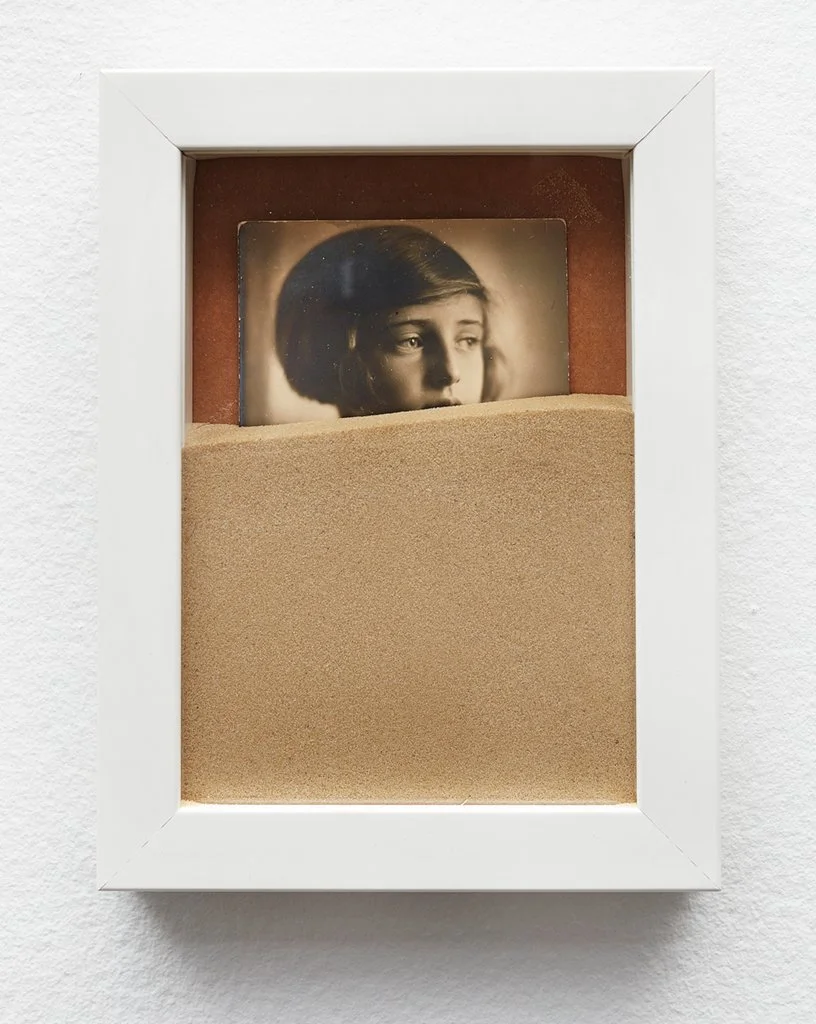
As I grew older, and my frustration of the situation grew, I found myself hiding in my room for days, hours and years, buried with my head down in this sand prison. I just felt sad all the time. I felt like there was no escape. Ever.
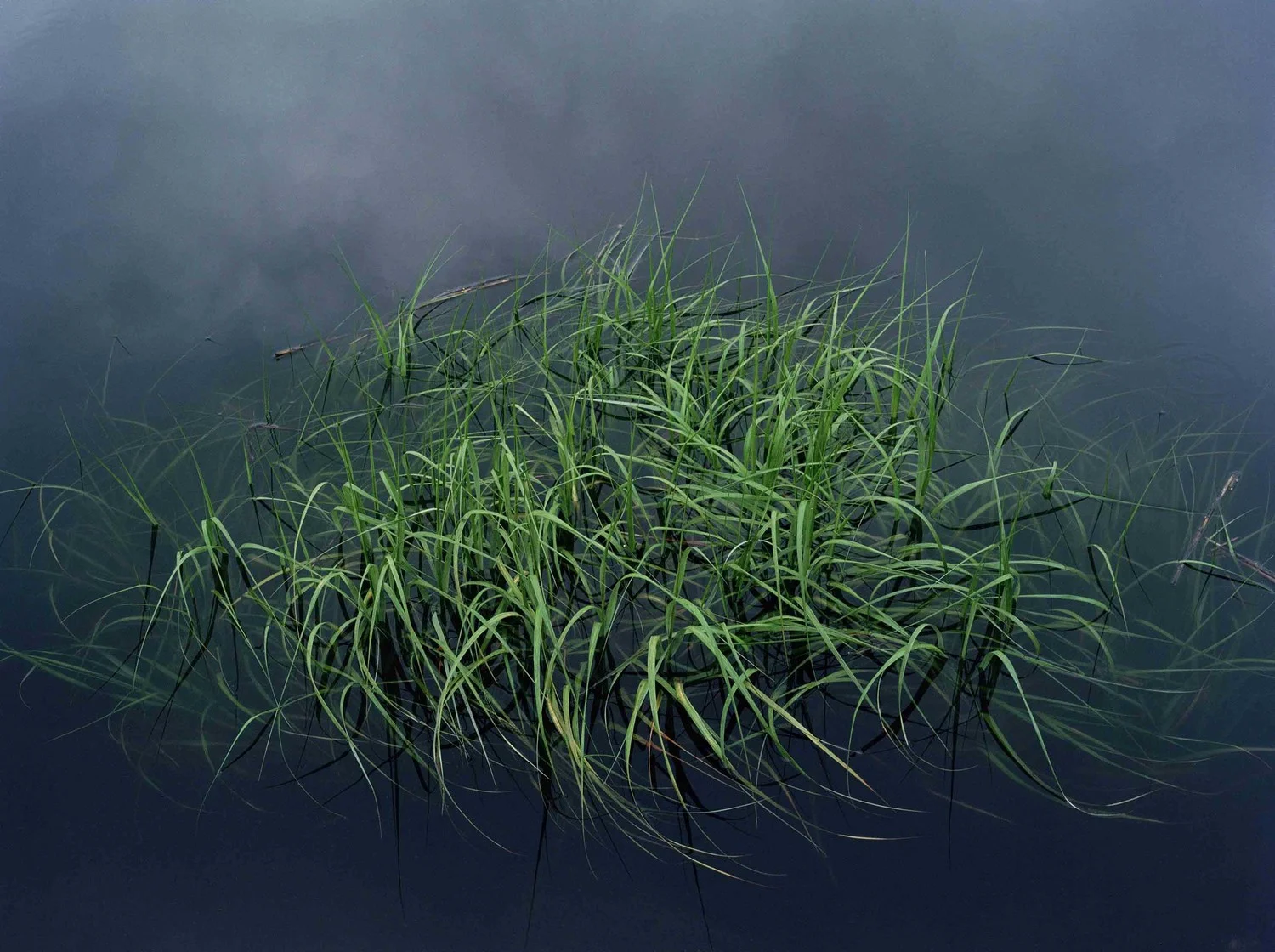
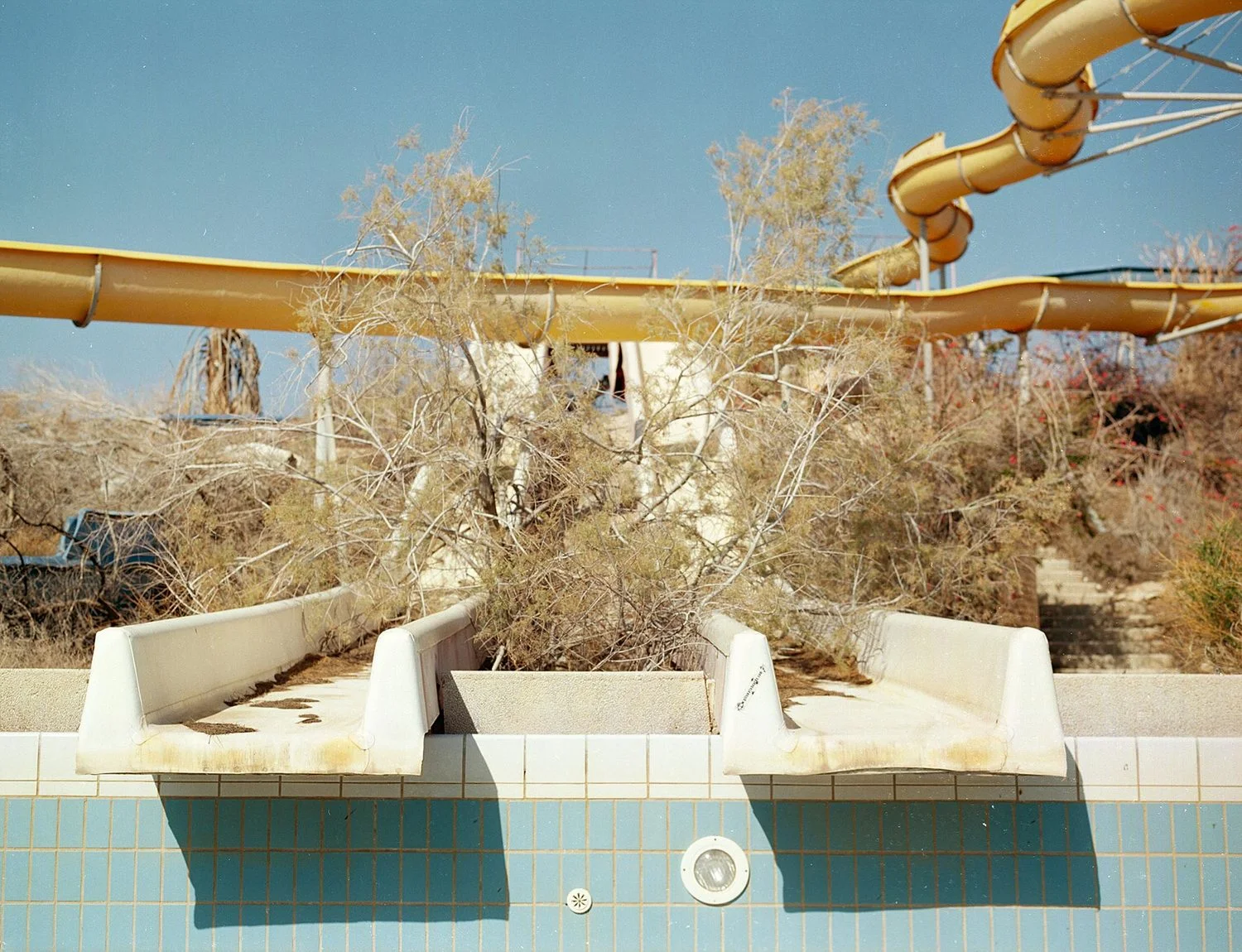
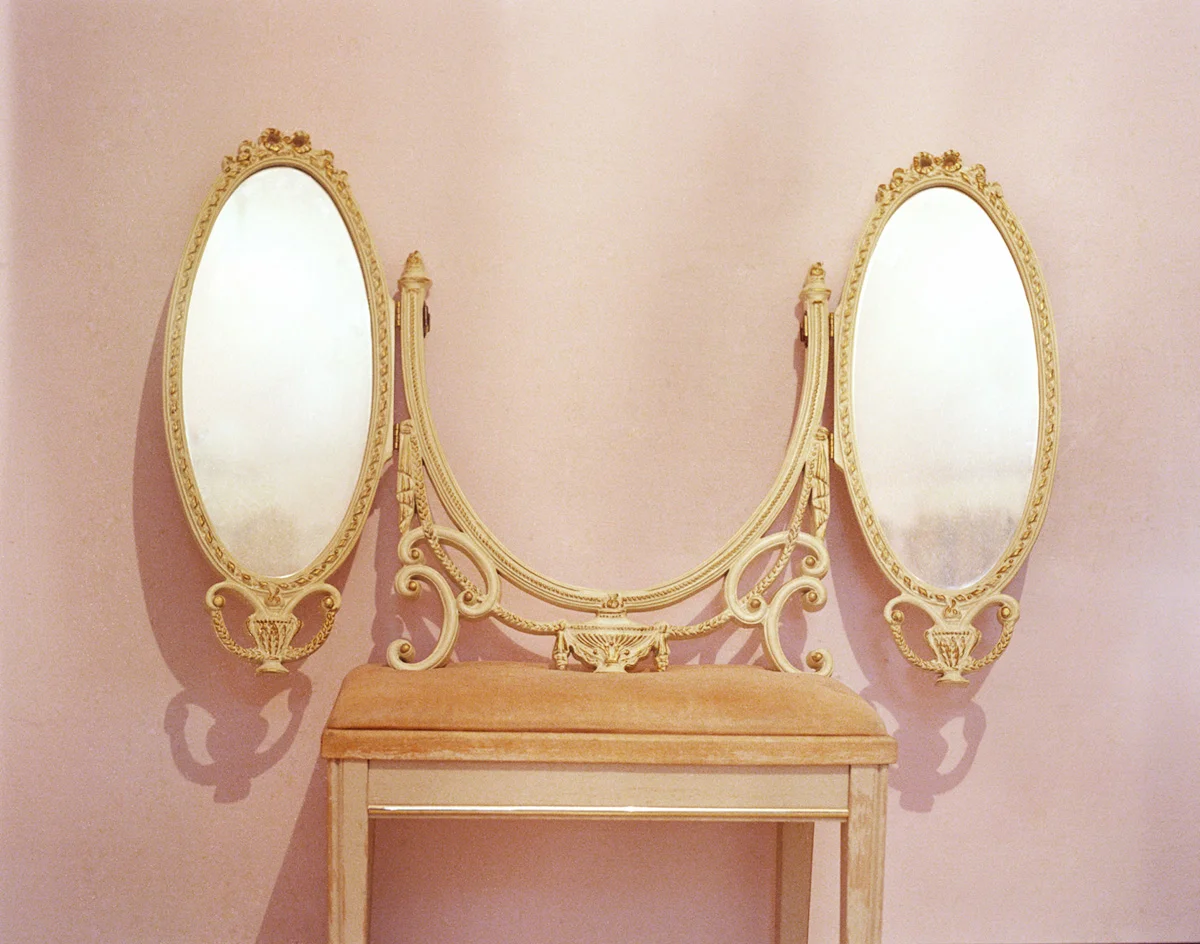
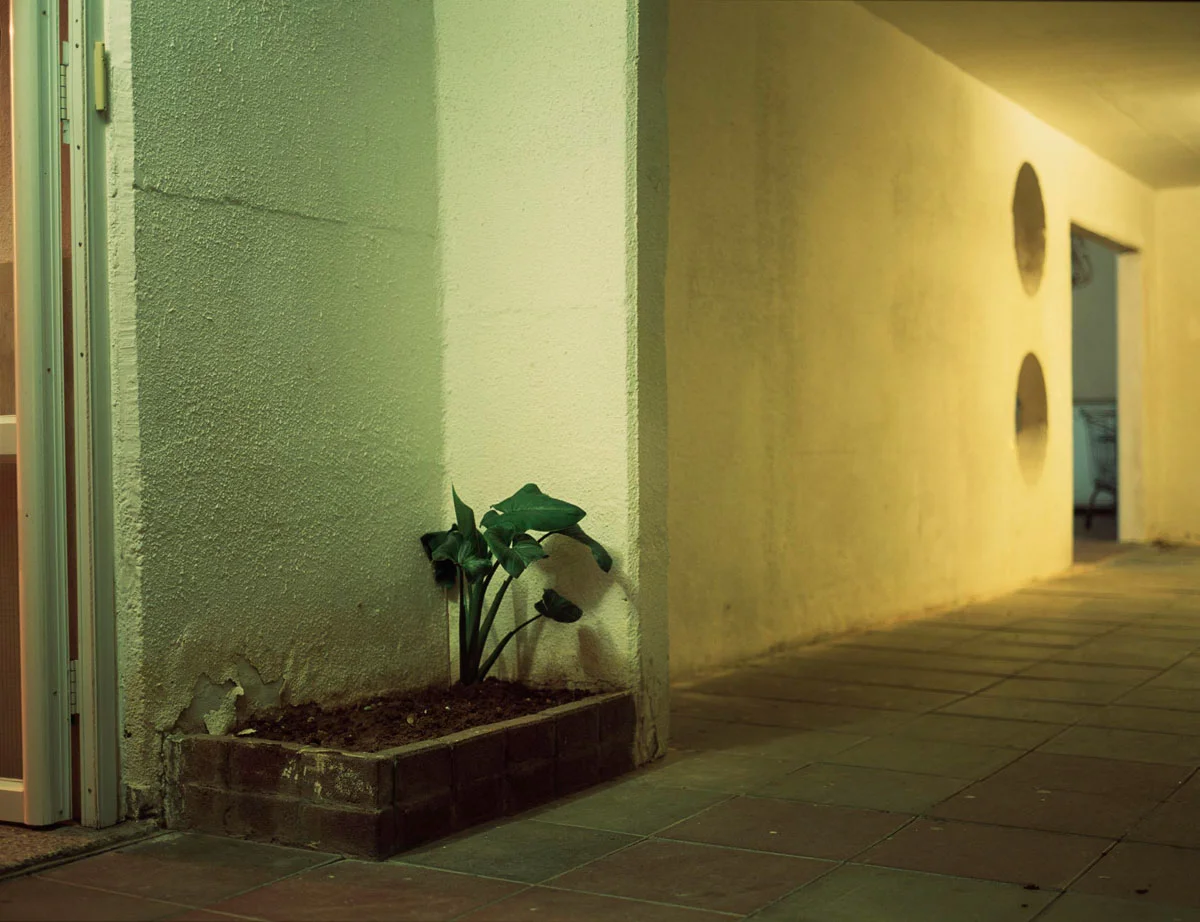
In this loneliness, I found comfort in photography. With my camera it would be just me in my room and a random object like an eggshell, a figurine, a mirror etc. and I could have it tell my story for me. Photography allowed me to take my inner dialogue and bring it out by using still life as my personal coded language. I was able to communicate with these objects better than people. They told the story I was not able to.
Now, years after moving as far as I could from that room, I find myself still being sad. Photography has become not just an escape but now also my burden. When I don’t photograph, I am sad, and when I do photograph my images are sad as well as if I am no longer able to escape the cloud of sad that is above me. "Why am I Sad?” is my exploration of my personal relationship to photography and the world that I see through my camera’s lens. It is an open question that I don’t intend to answer but I hope that I can find comfort in it once more.