











Featured in 'This Very Instant' magazine
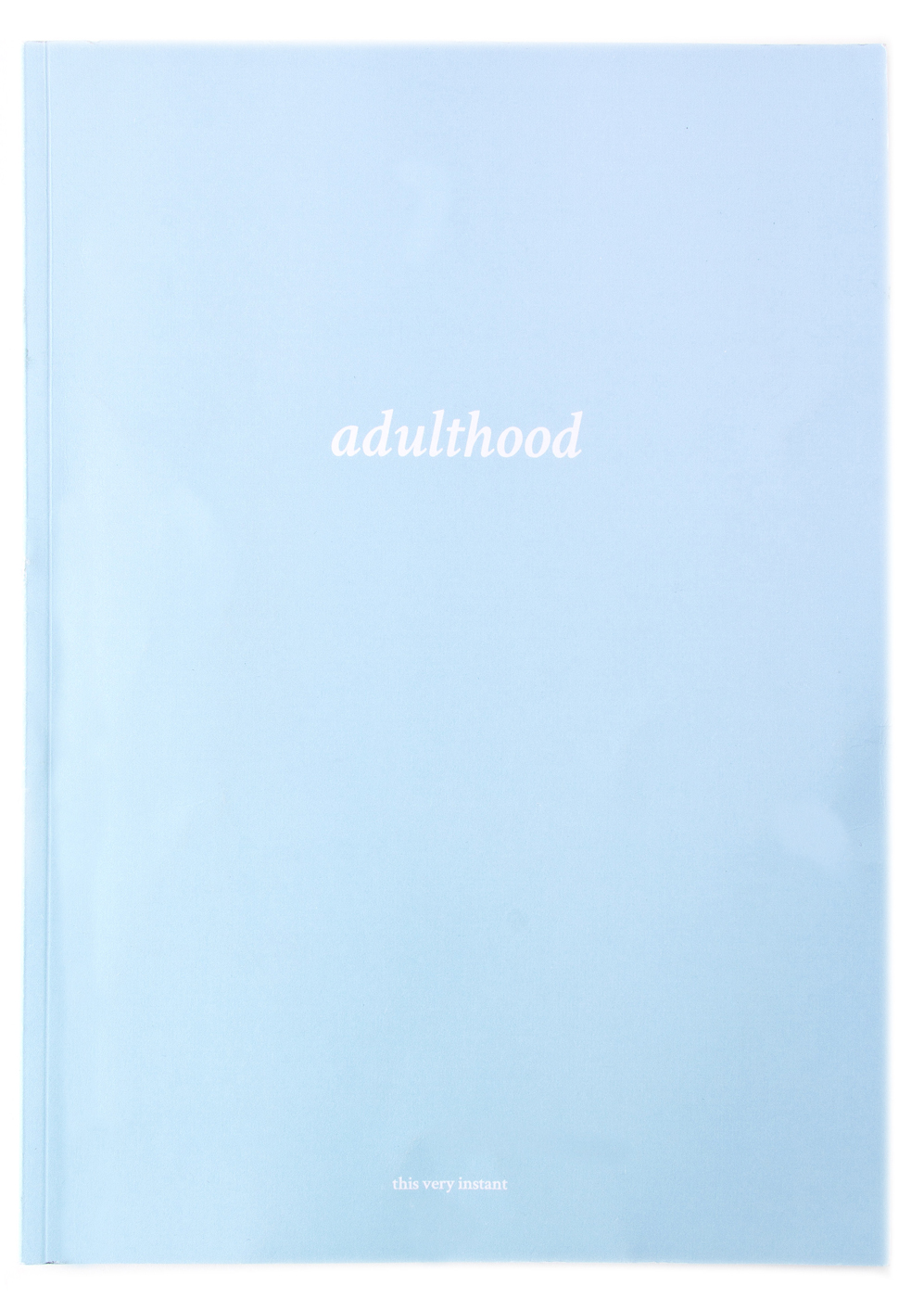
Adulthood was a collaborative project involving 50 artists from around the world.The book is comprised of 5 associative photo chains, all starting from the common topic Adulthood. The first photograph in each series was solely based on this topic. The following photographs only used the respective previous shot as an inspiration.The resulting free associations provide an interesting and often unexpected look at the coming of age.
- 88 pages
- 160g uncoated paper
- DIN A4
- 200 numbered copies


This in progress body of work is a self-reflection of who I am as a person and my connection to photography. Growing up back in a small town in Israel, I spent most of my time inside my room. I felt alone both outside those walls and inside of them. I was always alone even when I was around others. My house never really felt like a home, and my room was not an escape it was just all I had. Family was not a comfort; it was a cause for much of the stress, anxiety and mainly the sadness I felt.
My mother, even though we didn’t speak about it often, suffers from clinical depression. I saw her lose more and more of herself, becoming less and less a person I understood. When you are young you just think of it as if your mom is just a little sad, so it makes sense that you also are – a little sad sometimes.
It took me years to understand how it really affected me and my own struggles with depression.
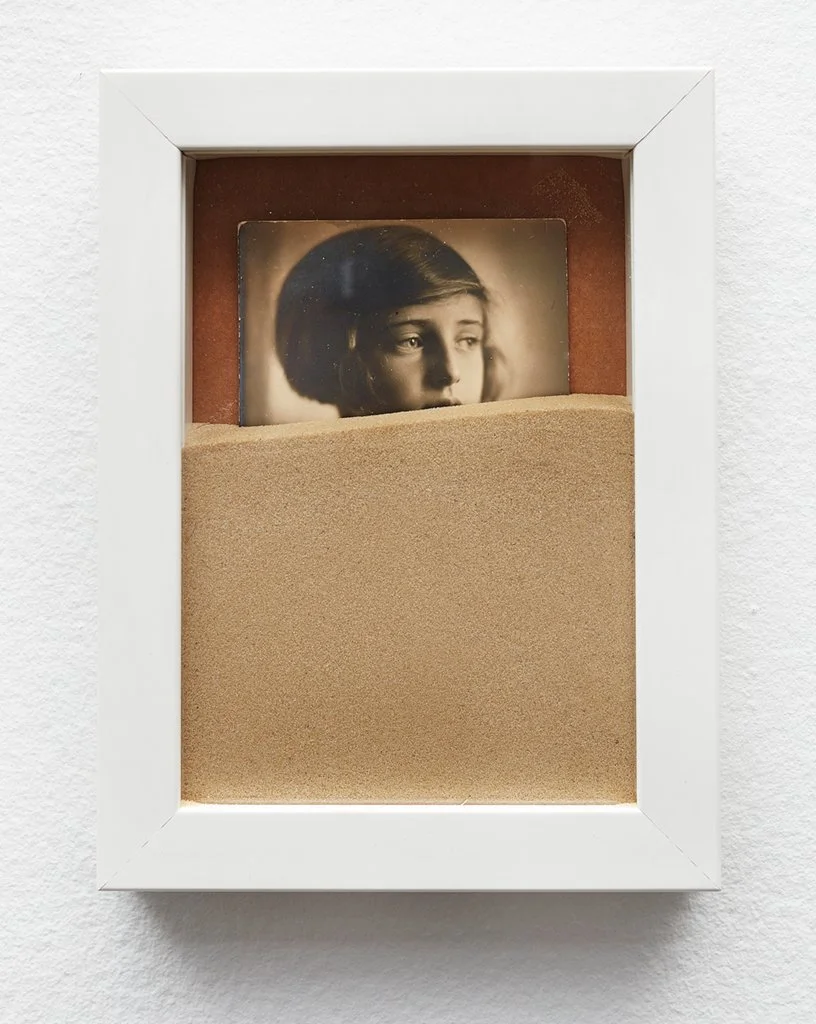
As I grew older, and my frustration of the situation grew, I found myself hiding in my room for days, hours and years, buried with my head down in this sand prison. I just felt sad all the time. I felt like there was no escape. Ever.
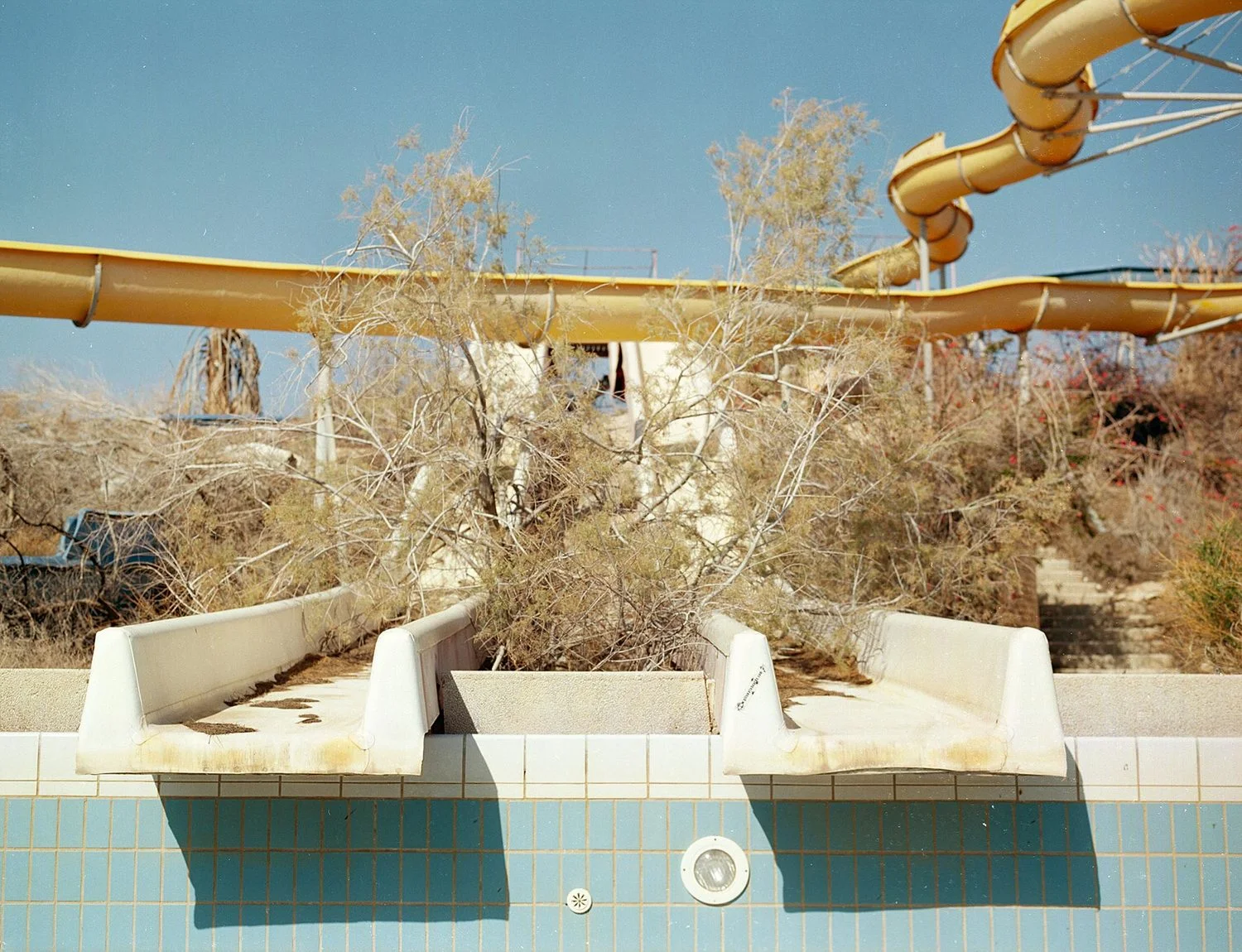
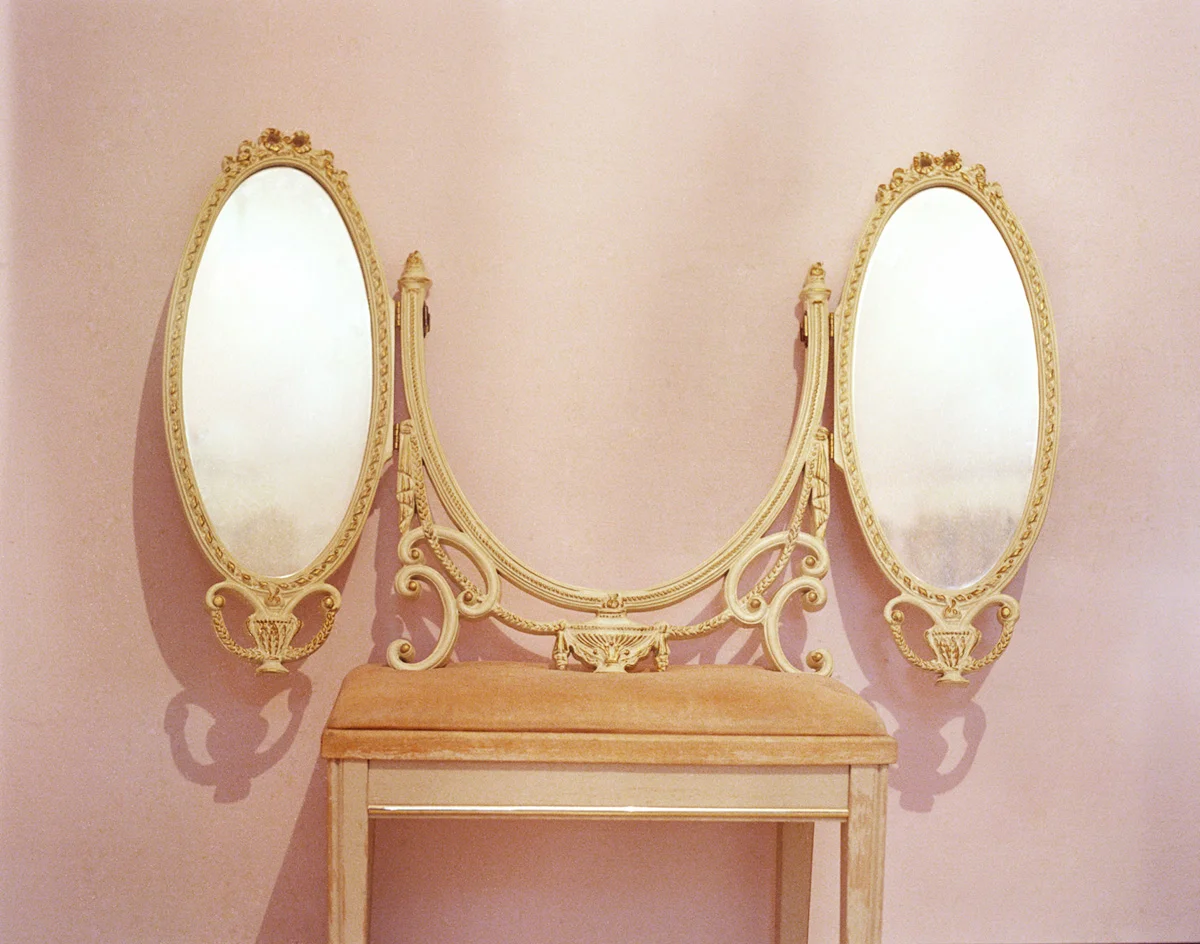
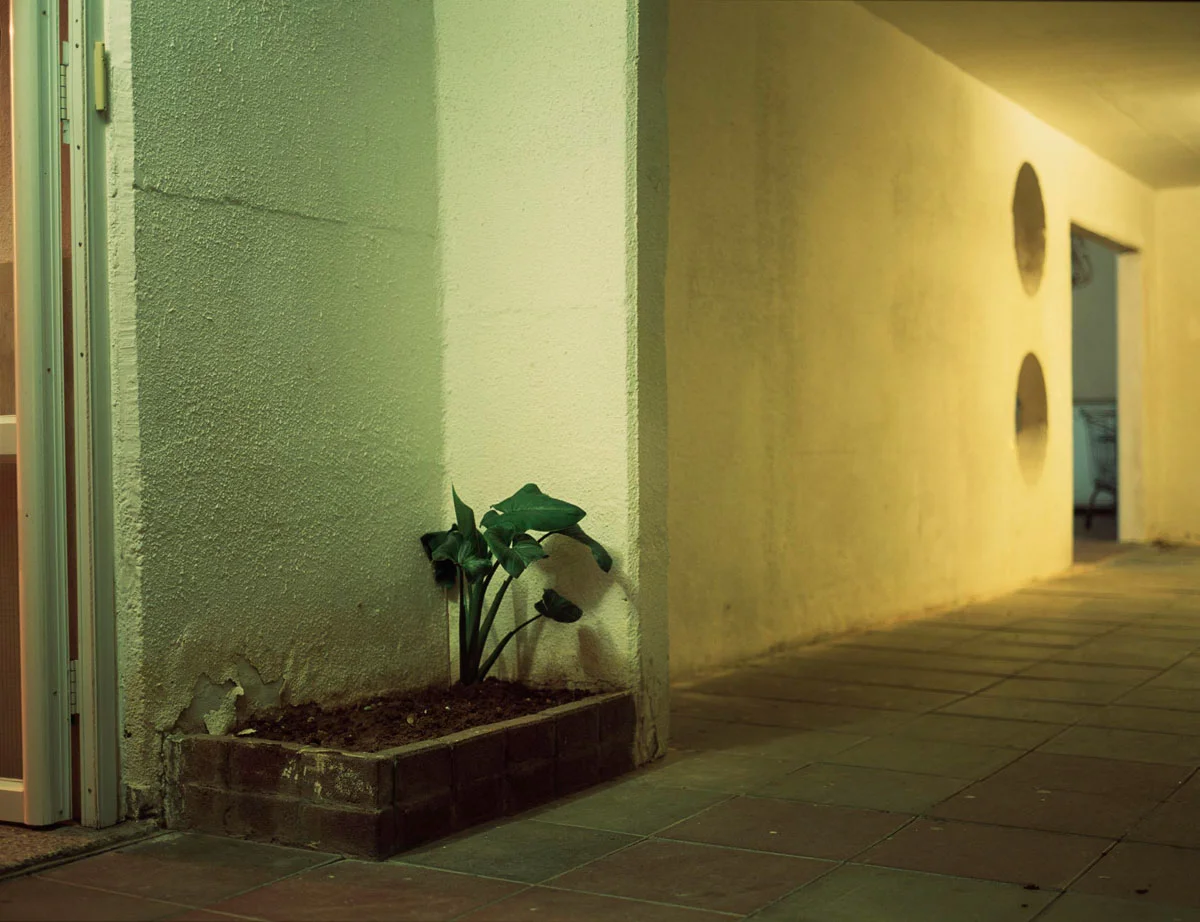
In this loneliness, I found comfort in photography. With my camera it would be just me in my room and a random object like an eggshell, a figurine, a mirror etc. and I could have it tell my story for me. Photography allowed me to take my inner dialogue and bring it out by using still life as my personal coded language. I was able to communicate with these objects better than people. They told the story I was not able to.
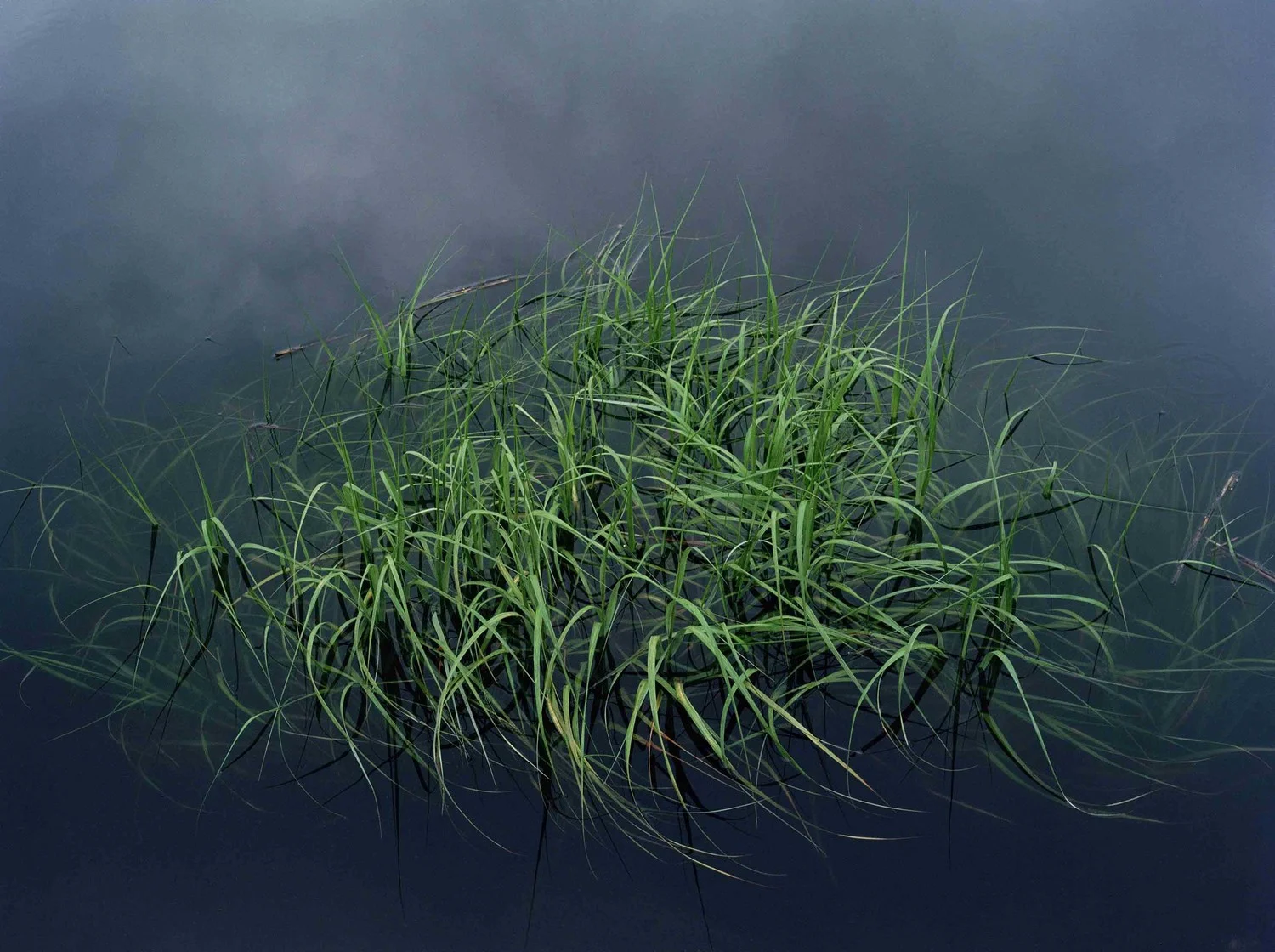
Now, years after moving as far as I could from that room, I find myself still being sad. Photography has become not just an escape but now also my burden. When I don’t photograph, I am sad, and when I do photograph my images are sad as well as if I am no longer able to escape the cloud of sad that is above me. "Why am I Sad?” is my exploration of my personal relationship to photography and the world that I see through my camera’s lens. It is an open question that I don’t intend to answer but I hope that I can find comfort in it once more.