











'place title here' exhibition curated by Dana Stirling at Plaxall Gallery

place title here, Curated by Dana Stirling, June 23rd - June 30th, Plaxall Gallery, LIC, New York
Place title here collects the works of three New York City based artists Adam Cable, Quinn Tivey & Julianne Nash. Each of the artists examines a current state in the medium of photography and challenges the boundaries of its ever evolving definition, re thinking what is a photo in a digital age and how it could be represented in the physical realm.
Venturing from the accumulated mass of screen viewed photographs, that serve as their inspiration, they create a sculptural image-based installations that are both Three dimensional and surface thick, questioning what photography in today’s digital world is and does to us.
While acknowledging and working off of traditional photography, all three are stretching our perception of a photograph and its participation as a single in a mass or its function as a dimensional object as a part of installation or in and of itself. a traditional gallery space adds clarity to the works as they are juxtaposed with our expectations of such space. Just like Lorem Ipsum, these works are ‘readable’ visuals - recognizable by the viewer immediately, but a careful observation and read between the lines you see that it might not be what you thought it was.
Artists: Adam Cable, Quinn Tivey & Julianne Nash
Curator: Dana Stirling
Opening Saturday June 23th 6-10pm
At The Plaxall Gallery
5-25 46th Avenue
Long Island City, 11101
Closing with Performance June 30, 6pm


This in progress body of work is a self-reflection of who I am as a person and my connection to photography. Growing up back in a small town in Israel, I spent most of my time inside my room. I felt alone both outside those walls and inside of them. I was always alone even when I was around others. My house never really felt like a home, and my room was not an escape it was just all I had. Family was not a comfort; it was a cause for much of the stress, anxiety and mainly the sadness I felt.
My mother, even though we didn’t speak about it often, suffers from clinical depression. I saw her lose more and more of herself, becoming less and less a person I understood. When you are young you just think of it as if your mom is just a little sad, so it makes sense that you also are – a little sad sometimes.
It took me years to understand how it really affected me and my own struggles with depression.
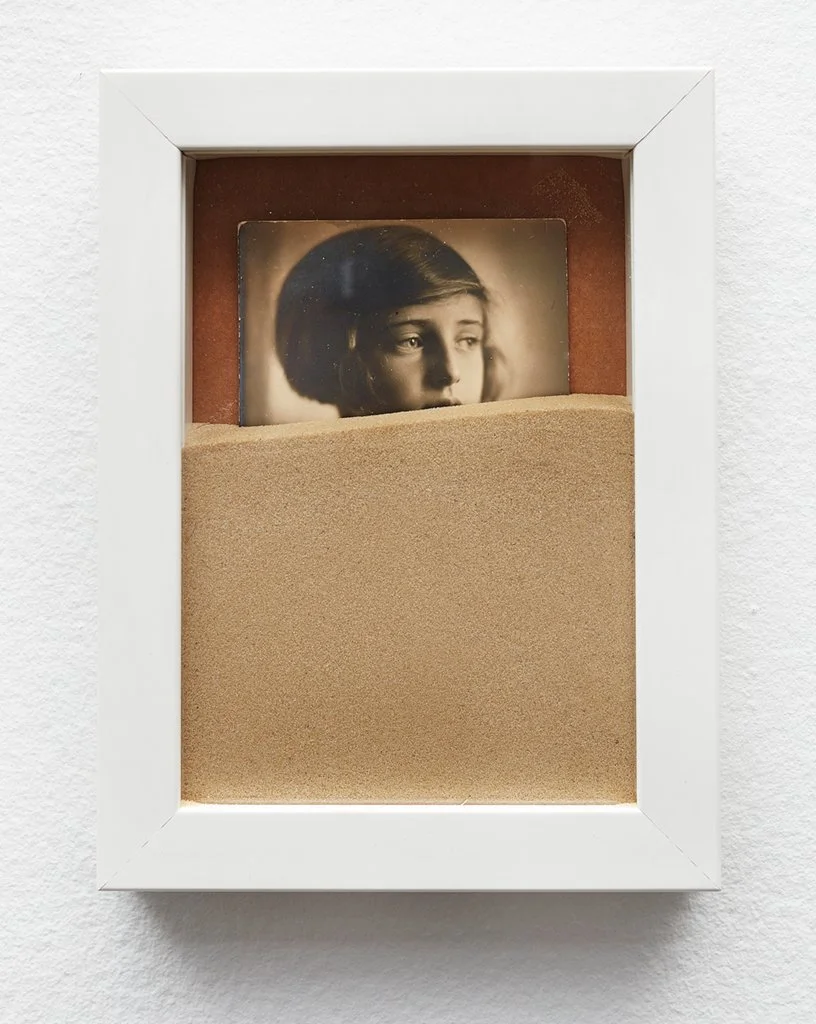
As I grew older, and my frustration of the situation grew, I found myself hiding in my room for days, hours and years, buried with my head down in this sand prison. I just felt sad all the time. I felt like there was no escape. Ever.
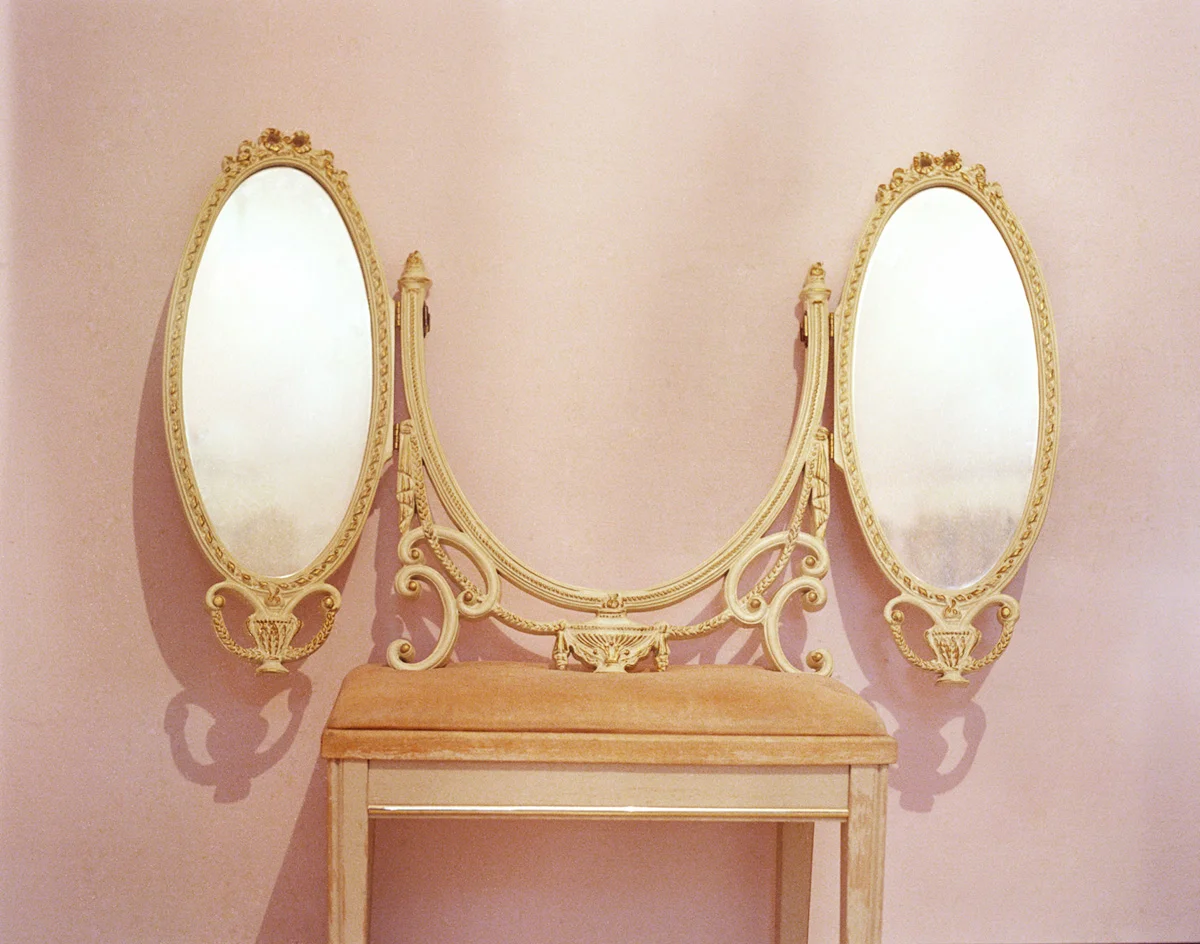
In this loneliness, I found comfort in photography. With my camera it would be just me in my room and a random object like an eggshell, a figurine, a mirror etc. and I could have it tell my story for me. Photography allowed me to take my inner dialogue and bring it out by using still life as my personal coded language. I was able to communicate with these objects better than people. They told the story I was not able to.
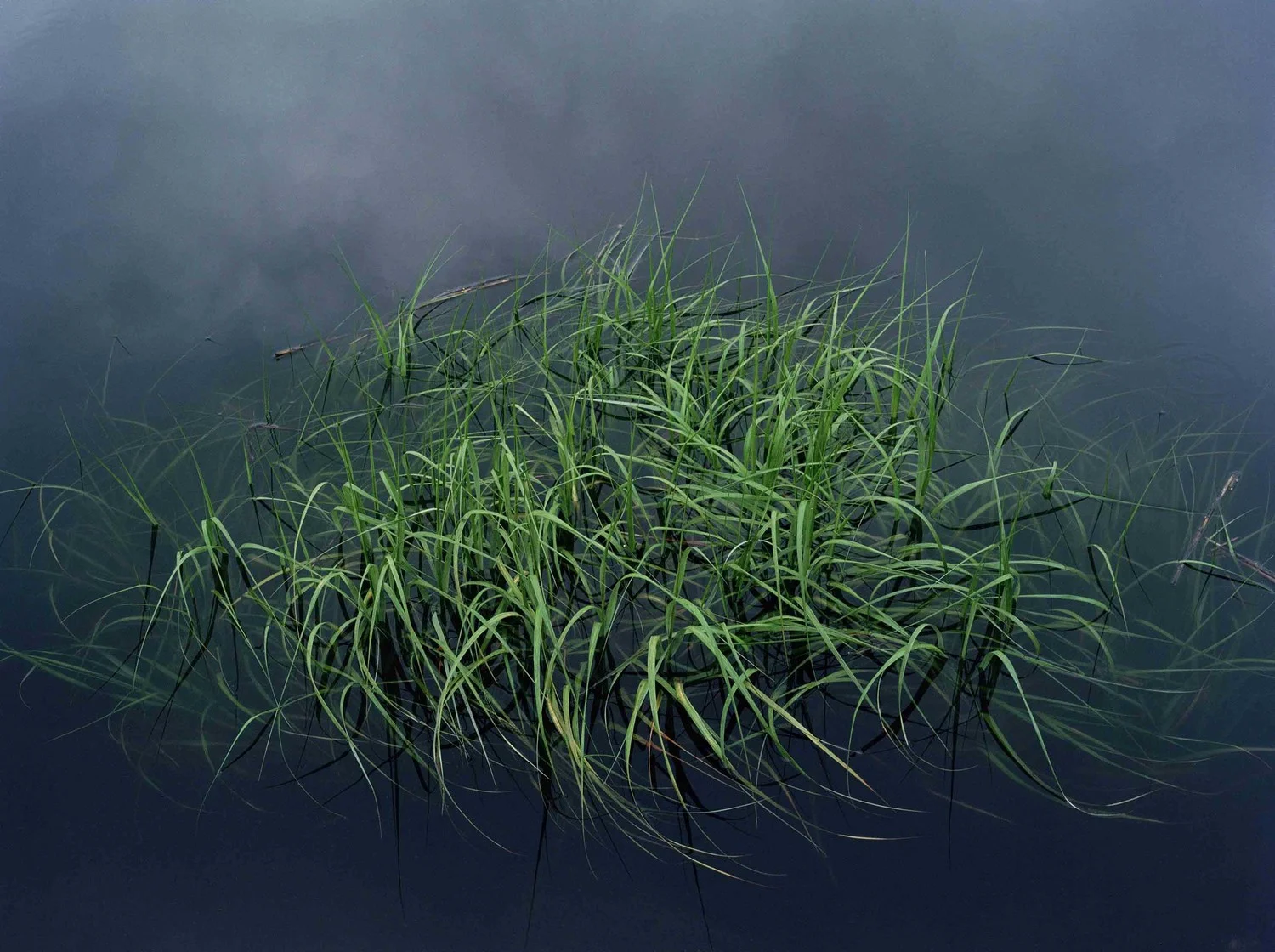
Now, years after moving as far as I could from that room, I find myself still being sad. Photography has become not just an escape but now also my burden. When I don’t photograph, I am sad, and when I do photograph my images are sad as well as if I am no longer able to escape the cloud of sad that is above me. "Why am I Sad?” is my exploration of my personal relationship to photography and the world that I see through my camera’s lens. It is an open question that I don’t intend to answer but I hope that I can find comfort in it once more.